
HeartMenders Cardiac Rehabilitation
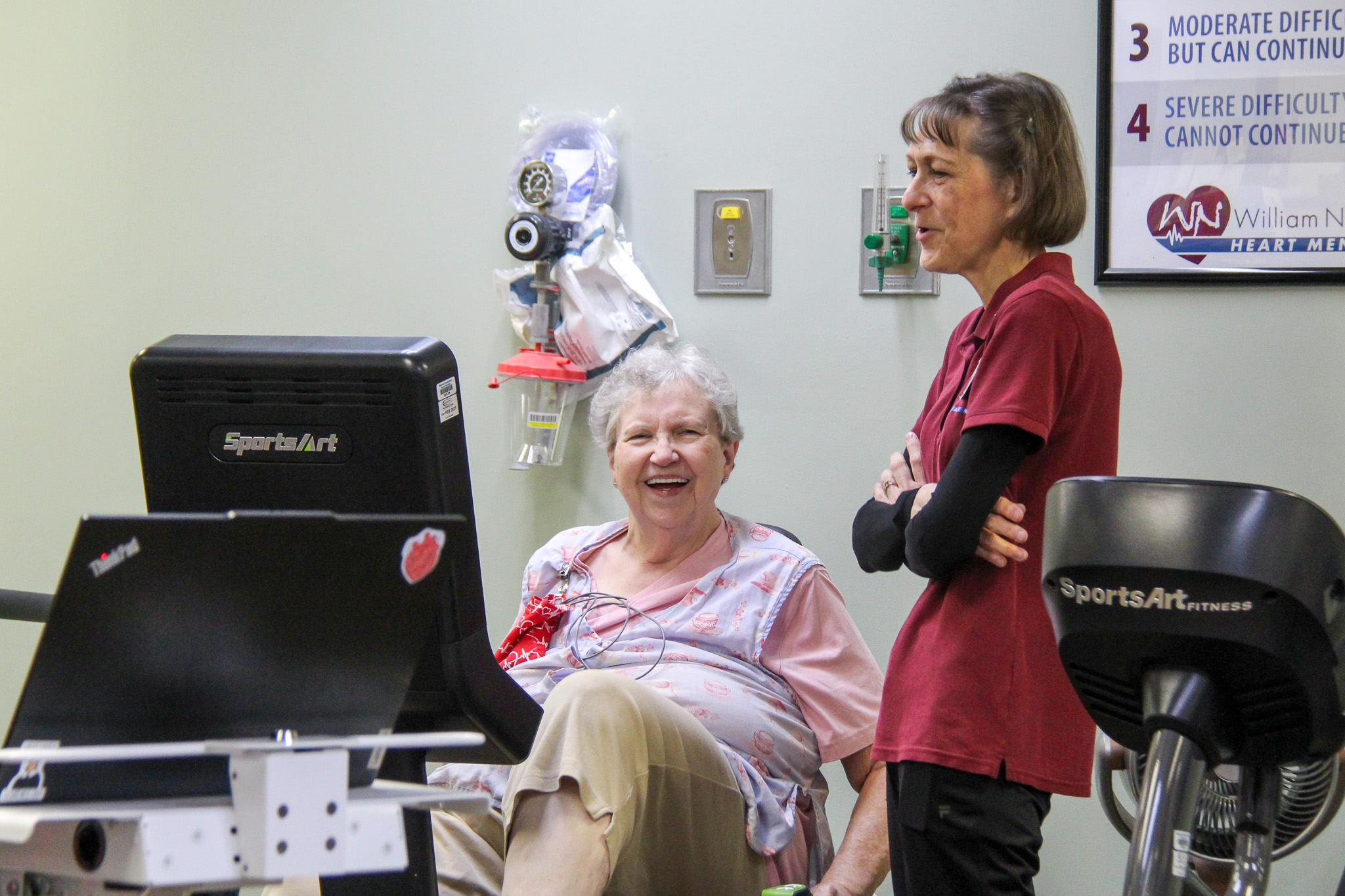
William Newton Hospital's cardiac rehabilitation program began in 1986, focusing on lifestyle changes that enhance recovery and assure long-term good health. These programs are prescribed by physicians and administered by a staff of medical professionals. Participating in HeartMenders provides individualized group exercise, patient education, and peer support.
Our outpatient cardiac rehabilitation program has a long history of helping people recover from major cardiac events (such as heart attack, angioplasty, and coronary artery bypass), documented angina, valve replacement/repair, and congestive heart failure. HeartMenders combines medically prescribed monitoring, exercise, and education in a controlled, indoor environment, and is covered by most insurance carriers.
Cardiac Rehabilitation (Phase 2)
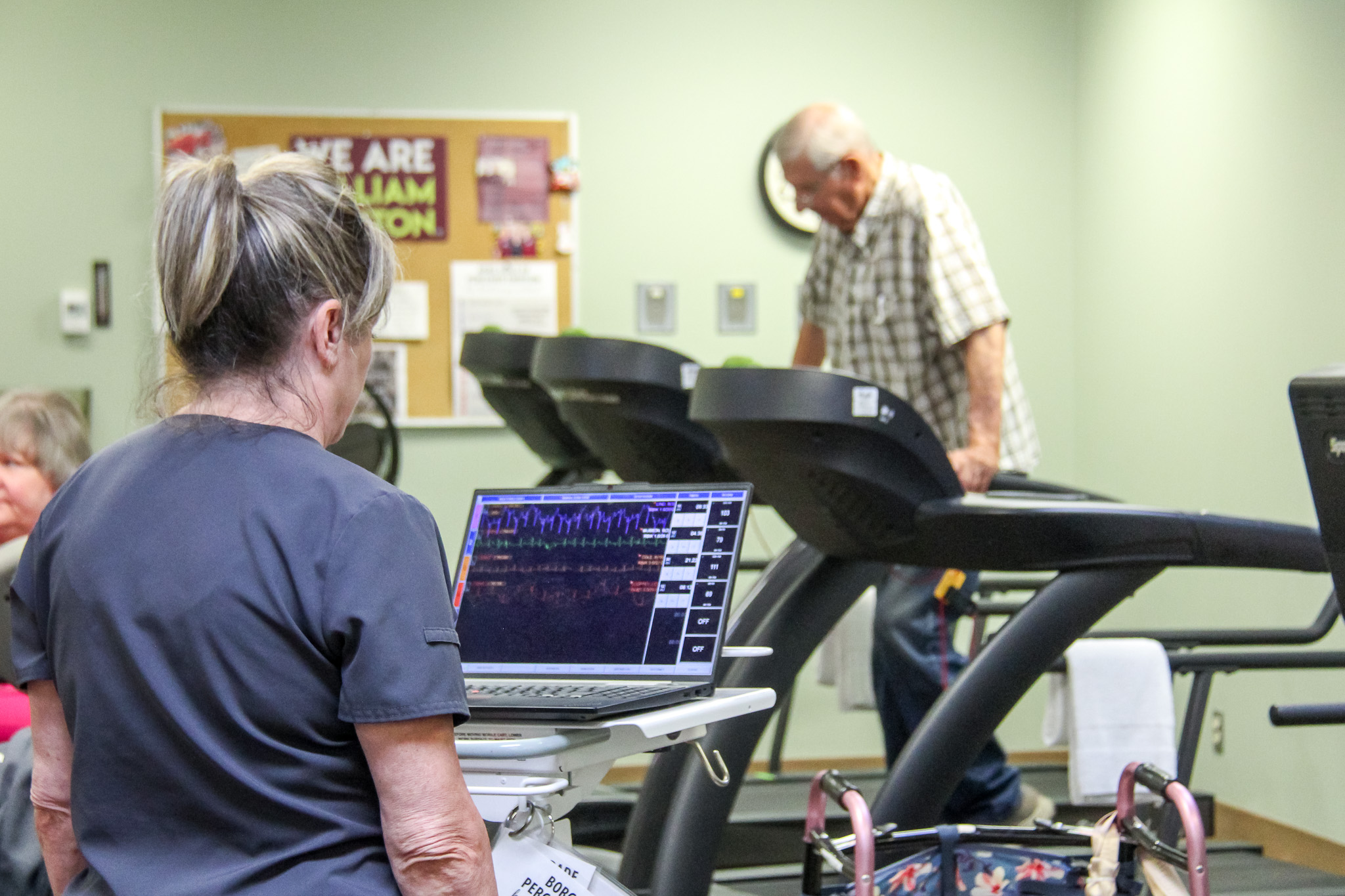
Phase 2 of cardiac recovery is an early, medically supervised outpatient program that typically begins shortly after a major heart event or surgery. Designed to help you safely rebuild cardiovascular strength and confidence, sessions feature continuous EKG monitoring alongside individualized treatment plans. Medicare, most commercial insurances, and Medicare Advantage plans cover 36 to 72 sessions.
Criteria for Phase 2 cardiac rehab are that the client has experienced one of the following in the last 12 months:
- Documented angina
- Myocardial infarction
- Percutaneous Transluminal Coronary Angioplasty
- Stent placement
- Heart valve repair/replacement
- Heart transplant
- Congestive heart failure (added to the criteria in 2014)
- LVAD left ventricular assist device
Life-style Rehabilitation (maintenance)
A low-cost, flexible lifestyle rehabilitation program designed for graduates of Phase 2 who wish to continue in a monitored exercise program to help manage obesity, high blood pressure, diabetes, smoking, and/or stress.
Both the cardiologist and primary physician receive daily logs of activity, vital signs are provided to clients to take to each office visit, and a discharge summary is mailed to their provider's office.
Contact
If you have questions about the HeartMenders program, or would like to refer clients (please send a script), please contact:
Stacy Wells, BSN, RN, CV-BC
Coordinator
Direct line: 620-222-6247
Extension: 620-221-2300 ext. 1116
Fax: 620-221-3594

Patient Testimonials
Bruce Schwyhart
Dick Vaught
"After my valve replacement, [my doctor] told me I needed cardiac rehab, so I came here. I really like it. This is a great place. They treat me very well. I prefer WNH over other hospitals." - Terry from Arkansas City, KS
"I like HeartMenders because the nurses are caring and informative." - Justin from Wellington, KS
"I chose to come to HeartMenders because the exercise is good for me and the nurses are awesome! They are caring and always helpful." - Carolyn from Winfield, KS
"They [the doctors] told me I had to come. When I got here, I liked it and stayed. If I didn't like it, I would not have stayed." - Les from Winfield, KS
Know the Facts
Heart disease, also known as cardiovascular disease, refers to conditions which involve narrow or blocked blood vessels that could lead to chest pain, stroke, or heart attack. Heart disease is easiest to treat when detected early. Talk to your healthcare professional about your concerns and steps you can take to reduce your risk of heart disease. Visiting with your doctor is especially important if you have a family history of heart disease.
Risk factors of heart disease include:
- Age
- Family History
- Smoking
- High Blood Pressure
- High Blood Cholesterol Levels
- Diabetes
- Obesity
- Physical Inactivity
- High Stress
- Poor Diet (diet high in fat, salt, and cholesterol)
Tips for improving and maintaining a healthy lifestyle:
Manage high blood pressure, cholesterol levels, and diabetes: Taking medications properly can help you control your blood pressure, decrease stress on blood vessels, maintain normal blood sugar levels, and control heart failure and irregular heartbeats (arrhythmias).
Maintain a regular exercise program: Start by walking or riding a stationary bike. Begin slowly by trying 10 minutes at a comfortable speed. Exercising a minimum of 4 days per week for 30 minutes a day is recommended to maintain heart health.
Adopt a heart healthy diet: Being overweight increases the burden on your heart. Try reducing fat intake and increasing the amount of fruits, vegetables and fiber you eat daily. Portion size is fundamental.
Quit smoking: Smoking decreases oxygen to the heart. It also increases blood pressure, heart rate, the risk of blood clots, and damages cells that line the coronary arteries, thus increasing your chances of a heart attack.